
Skip To A Section
Local SEO (Search Engine Optimisation) is the process of improving your online visibility to attract customers from a specific geographic area. It focuses on helping your business appear in local search results: for example, when I search for “coffee shop near me” or “plumber in Manchester, Google brings up a list of local results.
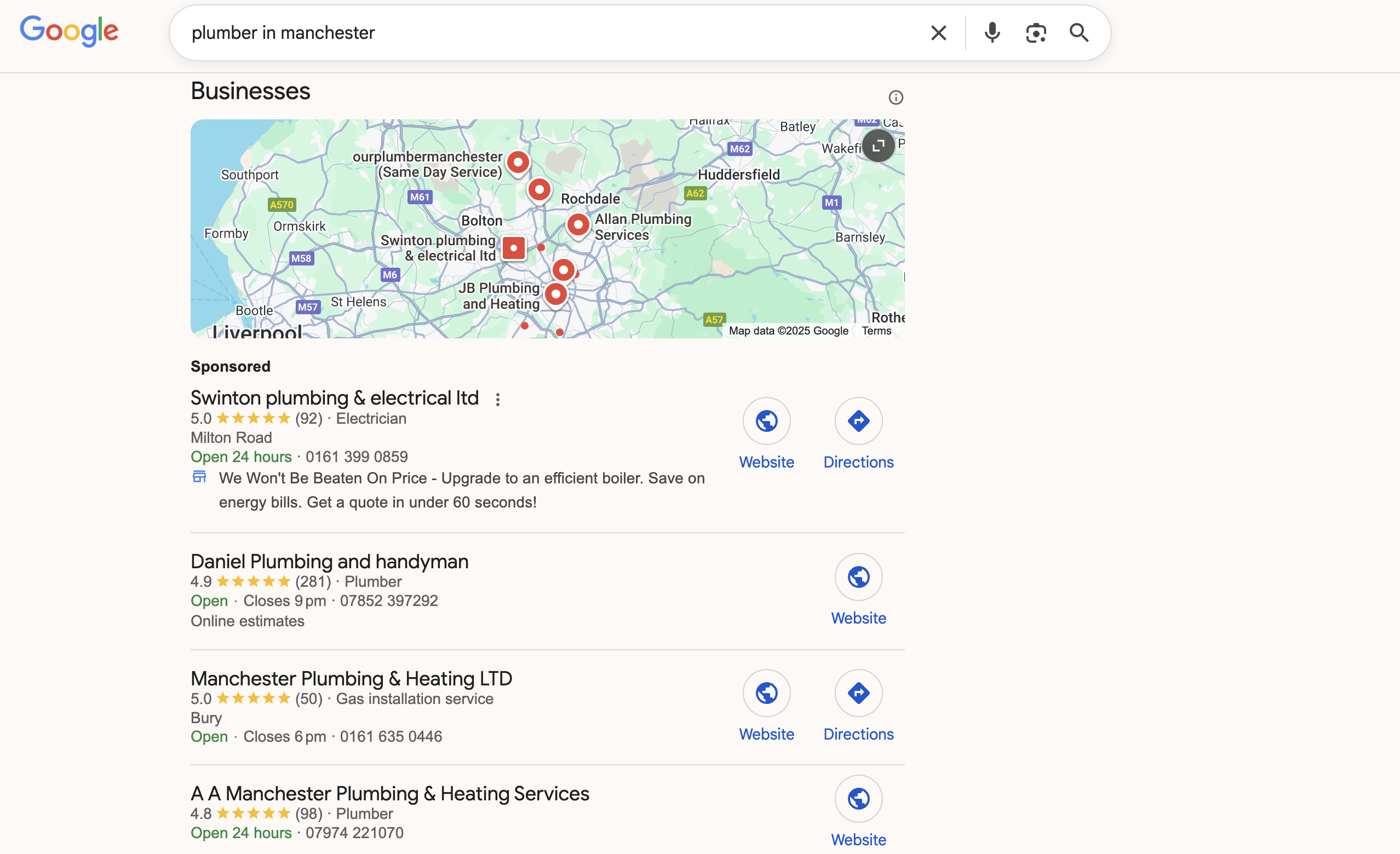
For businesses with physical locations or region-specific services, local SEO is essential. It ensures that your company is visible when potential customers are actively looking for your products or services within your service area. Whether you run a restaurant, retail store, or local trade business, local SEO connects you with people ready to buy.
Effective local SEO combines several important elements:
-
Google Business Profiles (GBP): Ensuring your business listing is complete, verified, and regularly updated.
-
Local Citations: Keeping your business name, address, and phone number (NAP) consistent across directories and platforms.
-
Localised Content: Creating pages, blogs, and resources tailored to specific towns, regions, or service areas.
-
Customer Reviews: Encouraging and responding to authentic reviews to build trust and influence rankings.
-
Structured Data Markup: Adding schema to help search engines understand your location and offerings.
-
Local Backlinks: Earning mentions and links from local businesses, publications, and community websites.
When these components work together, they strengthen your business’s local authority, improve map rankings, and help you stand out in your area’s search results.
How Local SEO Works
When people search online for nearby products or services, their intent is usually immediate - they’re looking for something now or close by. These local queries often include phrases like “near me,” “open now,” or specific city and town names, such as “Italian restaurant in Manchester” or “Bristol wedding photographer.”
Local SEO works by helping your business appear prominently when users make these types of searches. Google uses location signals, such as the searcher’s IP address or GPS data, along with business information, relevance, and prominence, to decide which results to display.
Google Local Search Features
Local search results are typically displayed in three main ways:
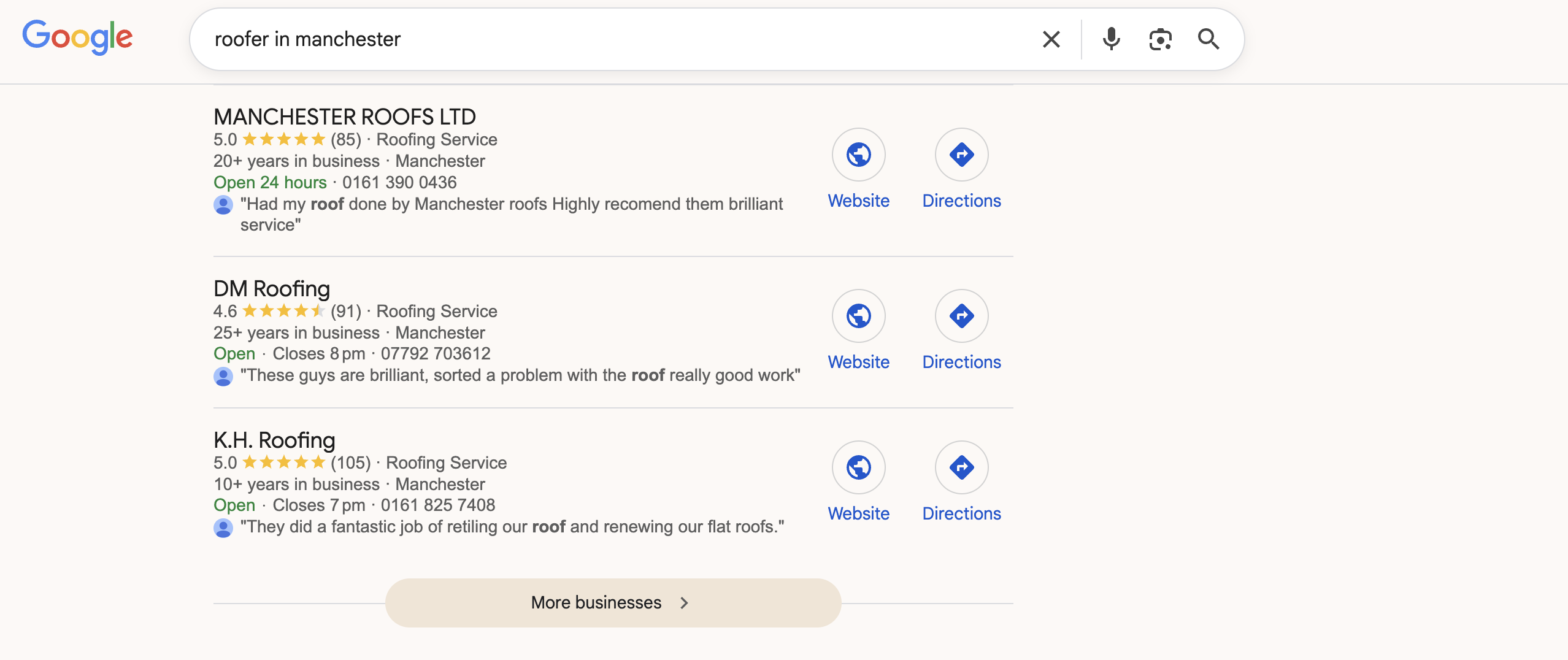
The Map Pack (or Local Pack)
The box that appears at the top of local search results, featuring a map and three highlighted business listings. Appearing here can dramatically increase visibility and clicks.
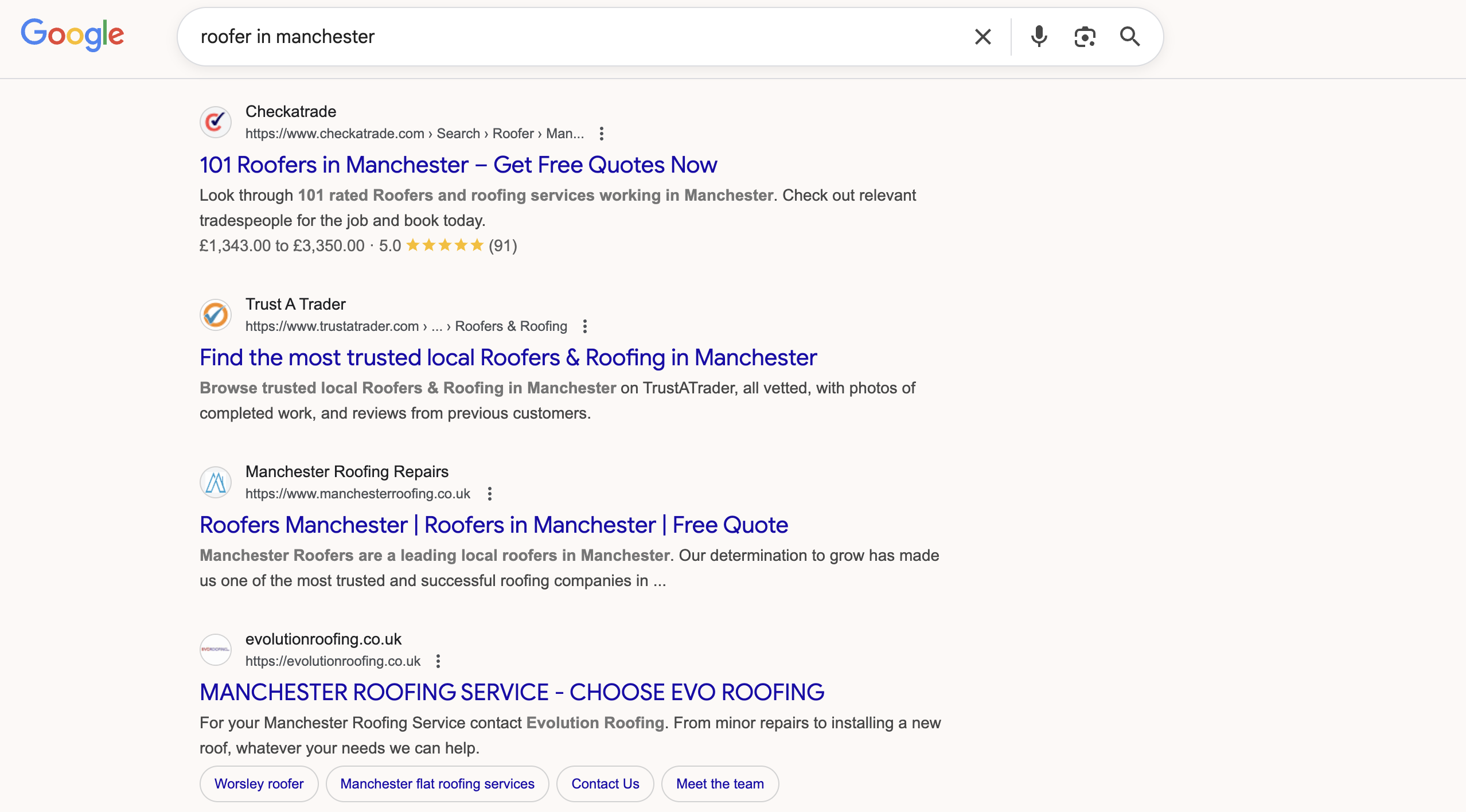
Local Organic Results
The regular website listings shown beneath the Map Pack. These often feature local businesses whose sites are well optimised for local keywords and relevance.
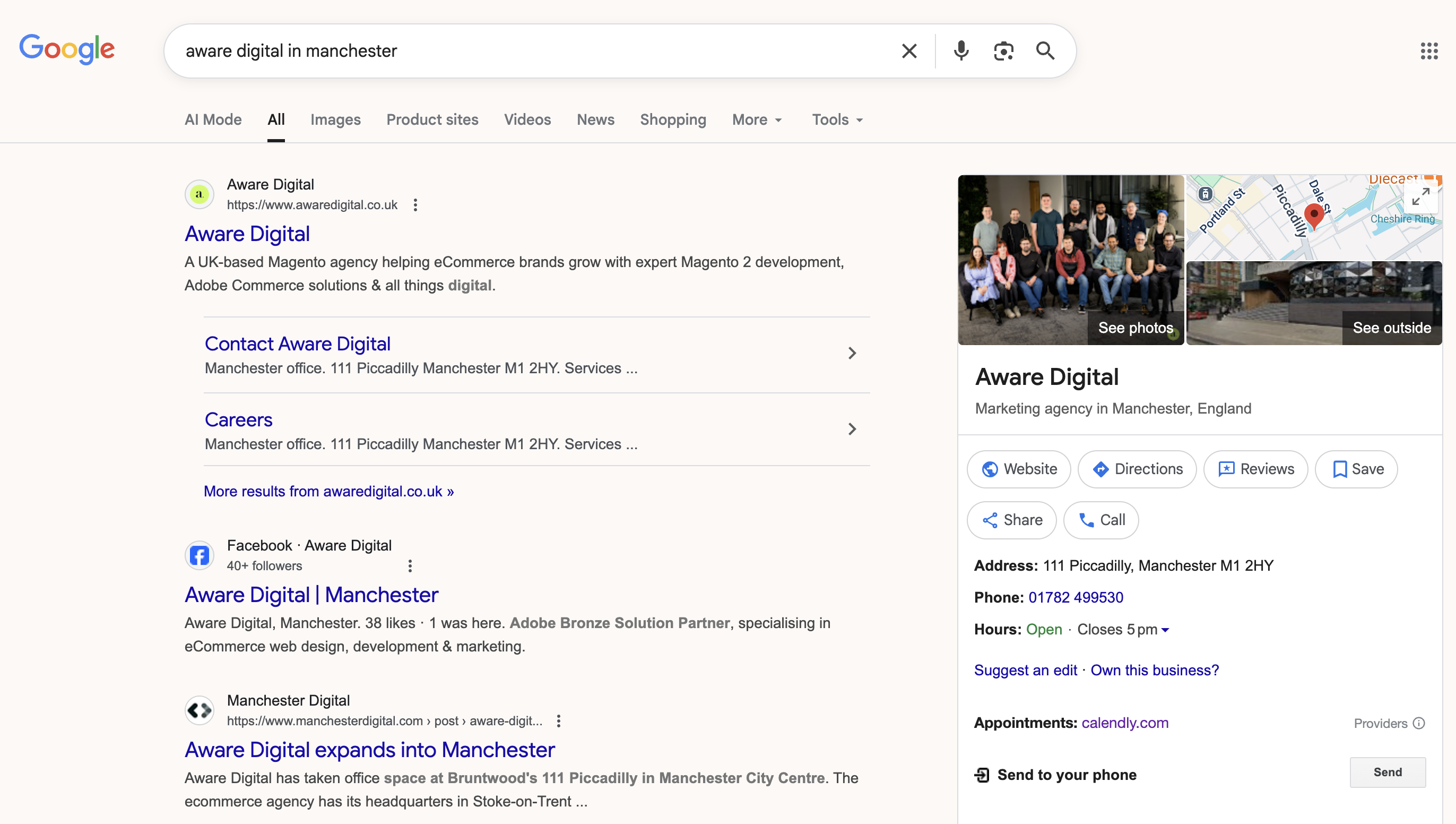
Knowledge Panels
Appear on the right-hand side (on desktop) for branded searches, displaying detailed business information such as reviews, contact details, and operating hours. This information is pulled directly from your Google Business Profile and other verified sources.
Ranking Factors That Influence Local SEO
Google considers a mix of factors to determine which businesses show up in local searches. The most important include:
-
Relevance: How well your business matches the user’s search intent.
-
Distance: How close your business is to the searcher’s location.
-
Prominence: How well-known or reputable your business is online (influenced by reviews, backlinks, and citations).
Each of these plays a critical role in shaping your visibility within the Map Pack and local organic results.
For a deeper look at what drives these rankings, explore our article: Understanding Local Search Ranking Factors.
Key Elements of Local SEO
Successful Local SEO relies on several interconnected elements that signal to Google and potential customers that your business is relevant, trustworthy, and active in your target area. Each component strengthens your local visibility and contributes to higher rankings in the Map Pack and local organic results.
Google Business Profile Optimisation
Your Google Business Profile (GBP) is the cornerstone of local SEO. It’s the first thing most customers see when they search for your business name or services nearby. A fully optimised profile includes:
-
Accurate business name, address, and phone number
-
Clear categories and service areas
-
High-quality photos and regular post updates
-
Genuine, recent customer reviews
Businesses that keep their profiles up to date consistently outperform those that don’t.
Local Citations & Directories
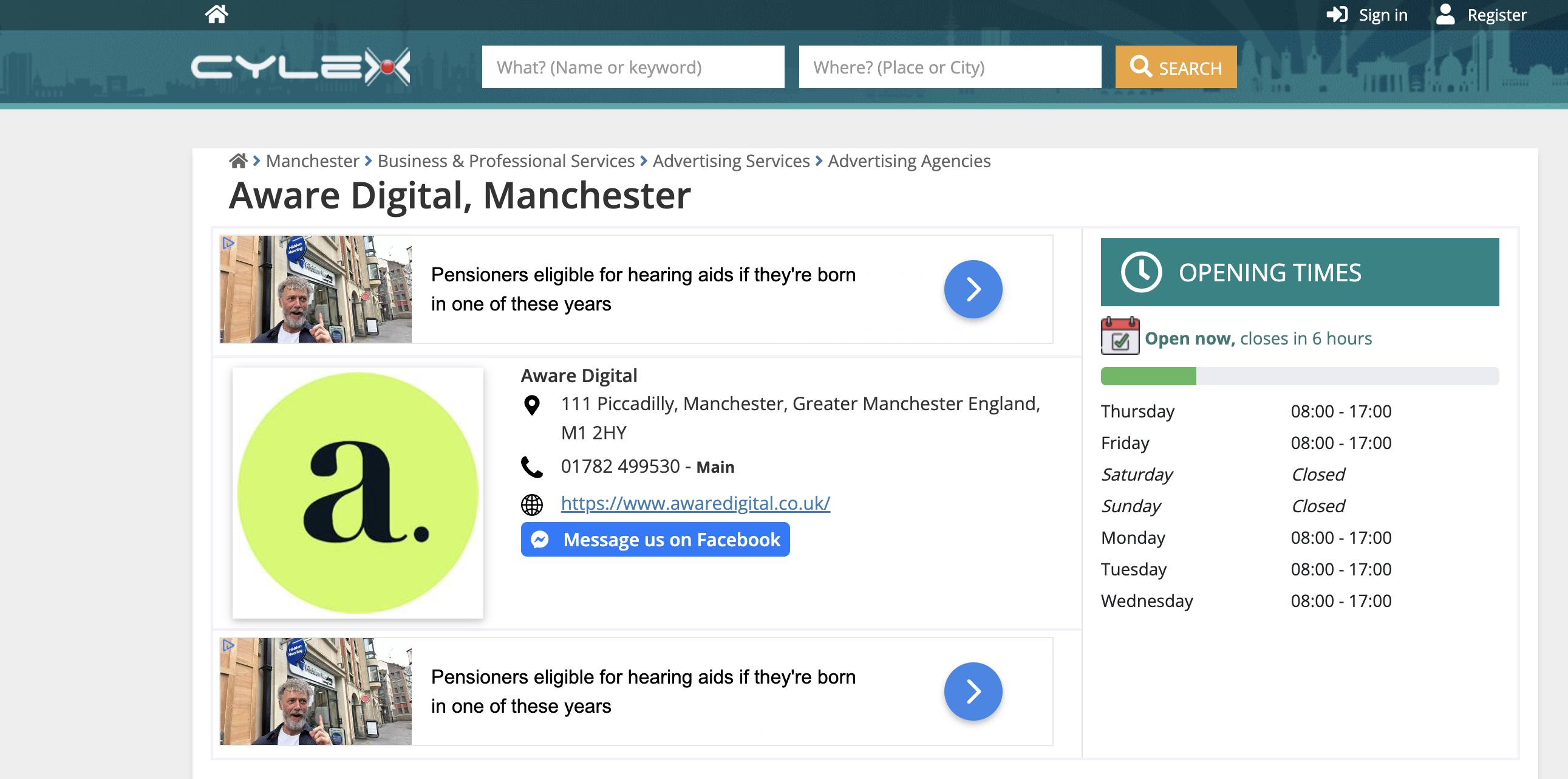
Local citations: listings of your business details on platforms like Yell, Cylex, and Bing Places help confirm your legitimacy and improve Google’s confidence in your data. The key is NAP consistency:
Your Name, Address, and Phone number must match exactly across all listings.
Inconsistent information (like a missing address or different phone number) can confuse search engines and weaken your local ranking signals. Regular audits of your citations ensure accuracy and maximise credibility.
Localised Content
Localised content builds relevance by addressing the interests and needs of your target audience in specific regions. This includes:
-
City- or region-specific landing pages (e.g., “Local SEO Manchester”)
-
Blog posts highlighting local events, case studies, or customer stories
-
Promotional campaigns tied to local holidays or community initiatives
By crafting content that reflects your area and audience, your site becomes more relevant for both users and search engines helping you dominate location-based searches.
Reviews & Ratings
Customer reviews are one of the strongest trust and ranking signals in local SEO. Google considers both the quantity and quality of reviews when determining local visibility.
Responding to reviews, both positive and negative, also demonstrates engagement and professionalism, which builds customer confidence and boosts click-through rates.
Structured Data & Schema Markup
Adding structured data to your website helps search engines understand your business details such as location, hours, services, and reviews. This increases the likelihood of rich results, such as review stars and business info appearing directly in search.
Implementing LocalBusiness schema strengthens your online visibility and supports Google’s understanding of your relevance within your area.
For a detailed implementation guide, see our article: The Role of Structured Data in Local SEO.
Real-Life Examples
Nothing demonstrates the power of Local SEO better than real-world results. When implemented strategically, combining Google Business Profile optimisation, local content, and reviews, businesses of all sizes can see tangible increases in traffic, enquiries, and revenue.
Case Study 1: Local Construction Business
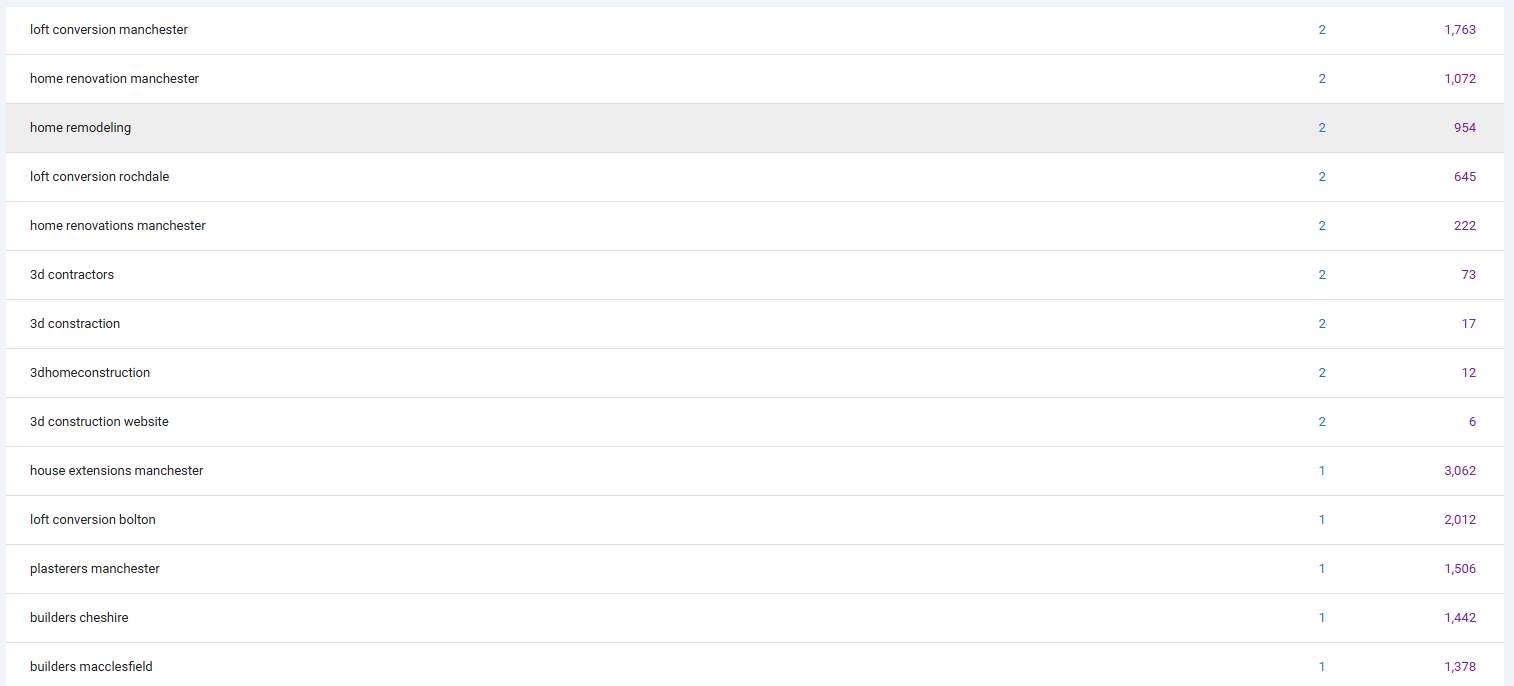
A Bury based construction business 3D Construction used local SEO to become visible online in the local areas they serve. With optimisation of their business profile and local citation building they increased their visibility within the local area, and with localised landing pages they managed to branch out to new areas around the North West, within 12 months the results were outstanding.
-
A 600% increase in organic traffic over 12 months.
-
Over £250,000 in new leads within 12 months.
“Local SEO helped us reach a new market, we was working on the traditional word of mouth approach, we now have a new way of reaching new customers” - Sam (Owner)
Case Study 2: Local Gift Shop
Mama Makes, a Bury based gift manufacturer, used local SEO to drive more footflow through the door and into their shop. Predominately a small online business, they used local SEO to reach potential customers in the local area and drive foot traffic into their shop. With optimisation of their Google business profile, and local citation building they managed to dominate local rankings and compete with some of the larger gift shops in the area.
-
Went from an online only business to an open shop with a storefront.
“With local SEO we started to sell to people in our local area, which then turned into opening a store front and boosting our revenue even more”. - Natasha (Owner)
These examples prove that when done right, Local SEO doesn’t just boost rankings - it brings real customers through the door and drives revenue growth.
Benefits of Local SEO
Investing in Local SEO provides measurable advantages for businesses targeting specific geographic areas. Here are the main benefits:
Increased Visibility in Local Search Results
Local SEO helps your business appear in Google’s Map Pack and local organic listings, ensuring potential customers in your area can find you easily. This visibility is critical for capturing searches with high purchase intent, such as “cafés near me” or “plumber in Manchester.”
Higher Website Traffic From Relevant Users
By optimising your website and content for local search queries, you attract users actively seeking your products or services. These visitors are more likely to engage with your website, explore your offerings, and take action, making traffic highly qualified.
More Foot Traffic and Sales Conversions
Local SEO drives offline results as well. Optimising your Google Business Profile, reviews, and local landing pages encourages nearby users to visit your store, call, or book services, translating search visibility into real-world sales.
Competitive Advantage in Your Local Market
Businesses that implement Local SEO gain a strategic edge over competitors who neglect it. By appearing in local search results before others, you become the go-to choice in your area - increasing both brand recognition and market share.
Common Local SEO Mistakes to Avoid
Even with the best intentions, businesses can make errors that limit their local search visibility. Avoiding these common pitfalls will help ensure your Local SEO strategy delivers results.
Inconsistent NAP Across Directories
Your Name, Address, and Phone number (NAP) must be exactly the same on every directory, listing, and citation. Inconsistencies like different phone formats or missing numbers can confuse search engines, harm rankings, and make it harder for customers to contact you.
Ignoring Reviews or Responding Poorly
Customer reviews are critical for trust and visibility. Failing to respond or responding inappropriately can negatively impact your reputation and local rankings. Engage with both positive and negative reviews professionally, and encourage satisfied customers to leave feedback.
Duplicate Content Across Locations
If your business has multiple locations, avoid using identical content on each regional page. Duplicate content can confuse search engines and dilute authority. Instead, create unique descriptions, offers, and localised content for each location to maximise relevance and SEO value.
Not Using Structured Data
Structured data (schema markup) helps search engines understand your business details, such as address, opening hours, and services. Failing to implement schema can prevent rich results, like review stars and business info from appearing in search, limiting your visibility.
Next Steps and Further Reading
If you’re ready to take your Local SEO strategy further, our series of in-depth articles will guide you through each aspect of optimising your business for local search:
-
How To Do Local SEO: A Complete step-by-step with instructions on how to implement local SEO effectively.
-
The Importance of Local Backlinks and How to Build Them: Learn how to gain high-quality links from local websites to boost authority.
-
Creating Localised Content: Blog Ideas That Boost SEO with tips for producing content that resonates with your local audience.
-
Leveraging Local Reviews to Improve Local SEO: How to collect, manage, and respond to reviews to drive visibility and trust.
-
Understanding Local Search Ranking Factors: Explore the key elements Google considers when ranking local businesses.
-
The Role of Structured Data in Local SEO: How to implement schema markup to enhance search results and improve visibility.
-
Infographic Explaining What Local SEO is: View our infographic containing information about what Local SEO and some key points to consider.
By exploring these guides, you’ll gain the knowledge and tools to optimise your business for local search, attract more nearby customers, and increase sales.
Conclusion
Local SEO is the practice of optimising your online presence to attract customers from specific geographic areas. By focusing on local search, businesses with physical locations or region-specific services can increase visibility, drive foot traffic, and generate more qualified leads.
Starting small can deliver significant results. Even basic steps such as optimising your Google Business Profile, maintaining consistent NAP information, and actively collecting customer reviews can improve your local rankings and attract new customers.
Local SEO is a long-term strategy. By gradually implementing the key elements outlined in this article and continuously monitoring performance, your business can maintain a strong presence in local search results and stay ahead of competitors.
If you need expert guidance to boost your local SEO, check out our Local SEO services page to see how we can help your business grow in your area.