
Skip To A Section
Key Takeaways
-
AI is transforming ecommerce SEO: Adobe Commerce stores can leverage AI to automate technical audits, optimise content, enhance search, and personalise user experiences.
-
Intelligent tools cover multiple areas: From keyword mapping, meta data generation, and internal linking, to predictive analytics and semantic search, AI can handle repetitive tasks and surface actionable insights.
-
Human oversight remains essential: AI should augment human expertise, ensuring content quality, brand voice, and compliance with Google guidelines. Over-automation can introduce errors or SEO risks.
-
Adobe and third-party solutions are complementary: Tools like Adobe Sensei, Adobe Experience Platform, and headless AI engines can integrate with third-party platforms (SurferSEO, Clearscope, Jasper, etc.) to maximise efficiency and scale.
-
Technical and content optimisation go hand-in-hand: AI improves crawlability, structured data deployment, page speed diagnostics, and content relevancy, boosting both rankings and user engagement.
-
Start small and scale: Implement AI-driven solutions gradually, monitor KPIs, and expand automation as confidence and results grow.
-
Ongoing monitoring is key: Continuous tracking of SEO performance, predictive issue detection, and content updates ensures long-term success in a rapidly evolving ecommerce landscape.
-
Intelligent SEO services can accelerate results: Partnering with specialised agencies or leveraging AI services ensures Adobe Commerce stores maximise ROI from their SEO strategy.
What Is AI-Driven SEO for Adobe Commerce?
AI-driven SEO for Adobe Commerce uses machine learning and intelligent automation to optimise your store for search engines more efficiently, accurately, and at scale.
In my experience, Adobe Commerce websites have large product catalogues that are constantly changing, products being removed, new products being added. Looking after on-page optimisations for Adobe Commerce stores can be a difficult and time consuming job if AI and intelligent SEO is not incorporated effectively.
AI for Adobe Commerce can be used to speed up the on-page optimisation process, predict SEO issues, learn from user behaviour and ultimately speed up the SEO process to help scale efficiently. Without AI, the process of optimising thousands of meta titles and descriptions would take days and days, with AI this can be done in minutes, allowing you to focus on other areas of SEO.
Why AI Matters for Adobe Commerce Stores
Adobe Commerce is built for large-scale ecommerce, which means product ranges grow quickly, customer behaviour shifts constantly, and search visibility becomes harder to maintain manually. The more complex your catalogue and category structure becomes, the more difficult it is to keep metadata optimised, pages indexed correctly, and product information aligned with changing search demand.
AI helps solve these challenges by removing guesswork and replacing slow, manual optimisation with intelligent automation. Instead of reacting to issues after rankings decline, AI tools continuously monitor, analyse, and adapt your SEO at scale, from category pages to thousands of product listings.
Key Benefits for Adobe Commerce Users
-
Speed & efficiency - AI can optimise thousands of pages in minutes, not weeks.
-
Accuracy & consistency - Machine-learning reduces human error and ensures metadata quality across the entire site.
-
Personalisation at scale - AI can tailor content and recommendations based on real user behaviour.
-
Better crawling & indexing - Automated sitemap structuring, canonicalisation, and schema improve search engine understanding.
-
Smarter decision-making - AI turns data into actionable insight, helping teams prioritise what moves rankings fastest.
With AI supporting the heavy lifting, ecommerce teams can focus on strategy, content creativity, and growth initiatives, while site visibility and performance continue to improve automatically in the background.
Key AI SEO Features for Adobe Commerce
AI doesn't just speed up optimisation, it introduces capabilities that would be nearly impossible to achieve manually at scale. For Adobe Commerce, where thousands of product pages, filters, categories, and seasonal SKUs must remain optimised simultaneously, AI provides an adaptive and automated approach to SEO that grows with your store.
Automated Keyword & Intent Mapping
Traditional keyword research is time-consuming, especially when product catalogues update frequently. AI automates this process by:
-
Analysing search trends in real time
-
Mapping keywords to pages based on intent (commercial, transactional, informational)
-
Identifying content gaps and high-value keyword opportunities
Instead of manually assigning phrases to each category or product, AI ensures pages target what shoppers are actively searching for - at scale and without constant intervention.
AI-Powered Content Optimisation
AI tools can evaluate product descriptions, category copy, and on-site content, then recommend improvements that help pages rank better and convert more users.
This includes:
-
Keyword inclusion without over-optimisation
-
Semantic and topical enrichment
-
Content length and readability adjustments
-
Duplicate content detection and rewriting
Your content stays fresh, relevant, and search-aligned, even as product data evolves.
Intelligent Internal Linking Automation
Internal linking is one of the most overlooked ecommerce SEO opportunities. AI fixes that by:
-
Automatically suggesting internal link placements
-
Linking products to relevant categories and guides
-
Ensuring link equity flows to priority pages
-
Creating better crawl paths for search engines
Well-structured linking improves indexation, user navigation, and ranking potential.
AI-Generated Meta Data at Scale
Manually writing metadata for hundreds or thousands of product pages is unrealistic. AI enables:
-
Dynamic generation of unique title tags and meta descriptions
-
Automated updates when inventory, price, or attributes change
-
CTR-optimised copy using sentiment and behavioural data
Pages remain optimised without constant copywriting effort even during product catalogue expansions.
Predictive SEO Recommendations
Instead of reacting to problems, AI can predict ranking opportunities and threats before they occur.
AI forecasting can:
-
Identify keywords likely to grow in demand
-
Highlight pages at risk of ranking decline
-
Forecast the ROI of SEO changes before deploying
-
Recommend actions with expected performance impact
This shifts SEO from reactive maintenance to proactive growth.
Automated Technical SEO Monitoring
Technical issues can silently destroy SEO performance. AI continually scans your site and flags what matters:
-
Indexing and crawl waste
-
Duplicate URLs or parameters
-
Schema and structured data errors
-
Broken links, redirects, and speed issues
Your Adobe Commerce store stays technically healthy without constant manual auditing.
Product Page SEO Automation
AI integrates with your product feed, attributes, and catalogue to optimise product pages dynamically.
Capabilities include:
-
Auto-generated product descriptions and FAQs
-
Schema enrichment for price, stock, ratings
-
Smart optimisation based on real-time search behaviour
This ensures product pages remain competitive - even during SKU expansions, seasonal updates, or stock turnover.
How AI Improves Technical SEO in Adobe Commerce
Technical SEO is one of the most complex components of running an Adobe Commerce store at scale. With thousands of URLs, layered navigation, faceted filters, dynamic product variations, and seasonal content turnover, keeping a site crawl-friendly and technically sound is a constant challenge.
AI steps in by monitoring, analysing, and fixing issues faster than human teams ever could, reducing risk, improving speed, and ensuring search engine visibility stays intact.

Crawl Error Detection
AI-powered crawlers can continuously scan Adobe Commerce sites and identify issues that block search engines from accessing pages. Unlike traditional crawlers that require manual setup and auditing, AI systems can:
-
Detect crawl waste from filters, pagination, & layered attributes
-
Identify broken links, inaccessible URLs, and soft 404s
-
Automatically prioritise fixes based on SEO impact
-
Flag sudden crawl drops or spikes in real-time
Instead of discovering crawl errors months later, AI alerts you instantly.
Schema Automation
Structured data is essential for ecommerce visibility, but applying it across thousands of SKUs manually is unrealistic. AI automates schema markup creation and updates, ensuring search engines understand product data accurately.
AI-driven schema features include:
-
Auto-generation of Product, FAQ, Breadcrumb, Review & other schema’s
-
Dynamic updates when price, stock or attributes change
-
Bulk schema deployment without developer dependency
-
Validation against Google rich result standards
Better schema = richer SERP real estate = higher CTR.
Duplicate Content Handling
Adobe Commerce stores are especially prone to duplicate content due to variant URLs, faceted navigation, product tagging, and pagination. AI helps by identifying and correcting duplication at scale.
Automation can:
-
Detect duplicate category + product descriptions
-
Recommend canonical tags or dynamic URL consolidation
-
Rewrite duplicated content using AI-assisted copy
-
Prevent indexation dilution that weakens rankings
Instead of duplicate content dragging performance down, AI keeps content unique and index-efficient.
Site Speed Diagnostics
Speed is a critical ranking factor, especially for ecommerce UX. AI goes beyond basic performance checks by analysing data behaviourally rather than just technically.
AI performance enhancement includes:
-
Real-time Core Web Vitals monitoring
-
Speed impact forecasting on conversion & SEO
-
Automated optimisation suggestions (lazy loading, compression, script deferral)
-
Page-level vs template-level performance breakdown
Your store becomes faster, leaner, and more responsive, especially during traffic surges.
Predictive Ranking Issue Detection
Rather than waiting for rankings to decline, AI can spot early warning signals that indicate upcoming SEO problems.
Predictive systems can detect:
-
Pages likely to lose visibility due to trend shifts
-
Slow-moving SKUs that need fresh content or link equity
-
Technical weakness before rankings drop
-
Competitor threats and cannibalisation patterns
This transforms SEO from reactive maintenance into proactive defence.
AI-Enhanced On-Site Search for Adobe Commerce
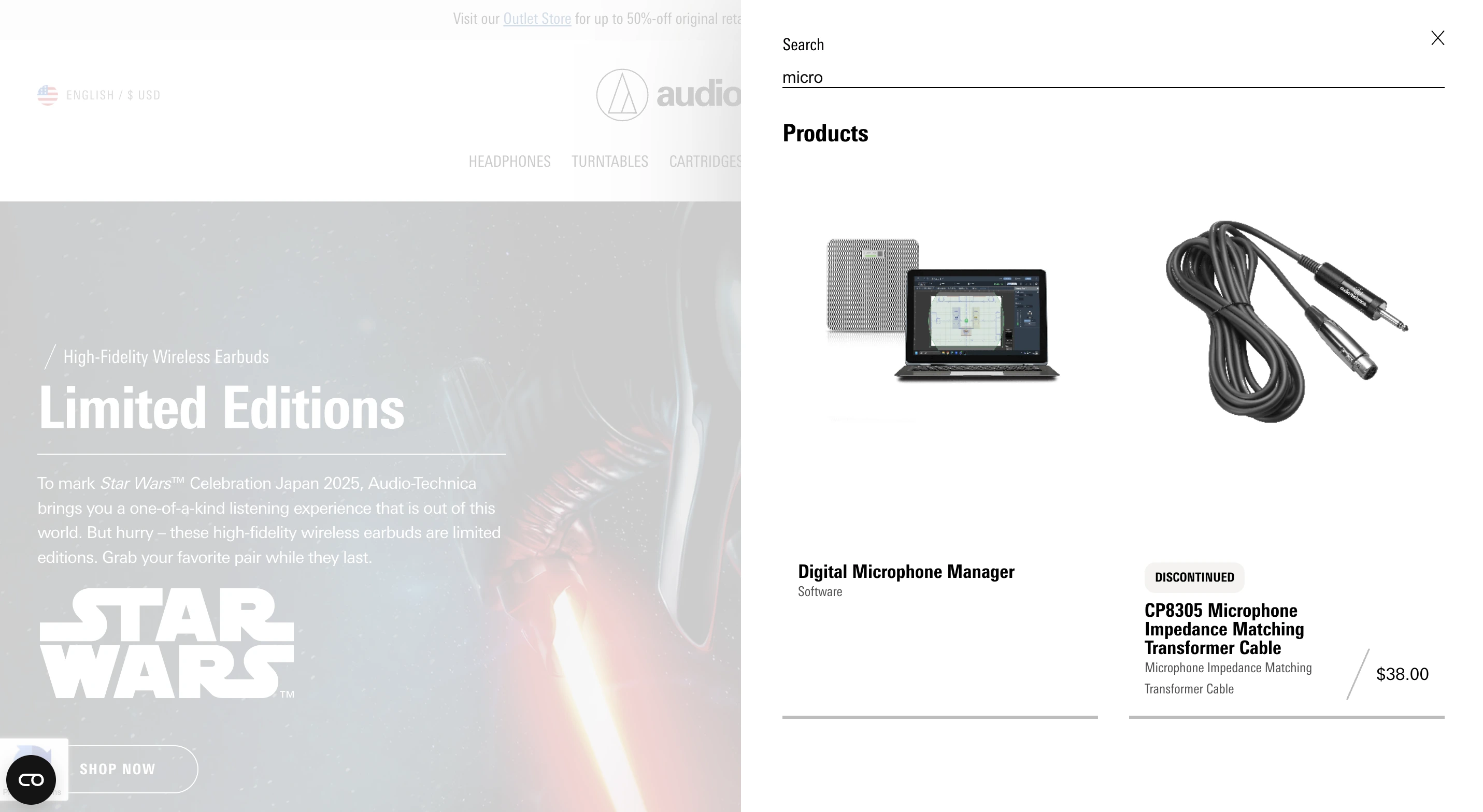
On-site search plays a major role in ecommerce performance, especially for large catalogue stores with diverse products, variations, and long-tail queries. Traditionally, internal search engines rely on exact keyword matching, which often leads to zero-result pages, poor recommendations, and frustrated shoppers.
AI transforms this into a dynamic, intelligent experience that improves usability, conversions, and even SEO signals.
Smarter Query Understanding
AI-powered search learns from user behaviour, synonyms, and semantic patterns, meaning it understands intent, not just keywords.
AI search engines can:
-
Interpret misspellings, plural variations, and slang
-
Understand product attributes (size, colour, material)
-
Recognise long-tail transactional intent
-
Auto-suggest products based on behaviour, not keywords
A shopper searching “black leather boots for winter” receives accurate product suggestions, even without exact keyword matching in the catalogue.
Enhanced Conversion Performance
When users find products faster, they buy faster. AI reduces friction across the buyer journey by guiding shoppers to relevant items instantly.
Benefits include:
-
Higher product discovery on first search
-
Fewer zero-result pages or abandoned sessions
-
Dynamic ranking based on conversion probability
-
Personalised product ordering for each user
These improvements directly uplift conversions, AOV, and lifetime value.
SEO Signal Improvements
Although on-site search isn’t a direct ranking factor, the behaviour it influences absolutely is. AI search increases:
-
Click depth (users explore more pages)
-
Engagement time & product interactions
-
Higher engagement rates
-
More internal link paths crawled by Google
The better your search experience, the stronger your behavioural SEO signals, especially for high-intent buyers.
Intelligent Content Creation & Personalisation
Content is the backbone of ecommerce SEO, but producing high-quality, optimised content at scale is challenging. AI offers intelligent solutions that streamline creation, fill gaps, and deliver personalised experiences that resonate with shoppers.
AI Blog Creation Workflows
AI-powered tools can assist in generating blog content, product guides, and category copy that align with both SEO and user intent:
-
Automatically suggest blog topics based on search trends and competitor analysis
-
Generate draft content that can be refined by human writers
-
Maintain brand tone of voice across hundreds of articles
-
Ensure content is optimised for target keywords and semantic relevance
This reduces time-to-publish and ensures content keeps up with evolving search behaviour.
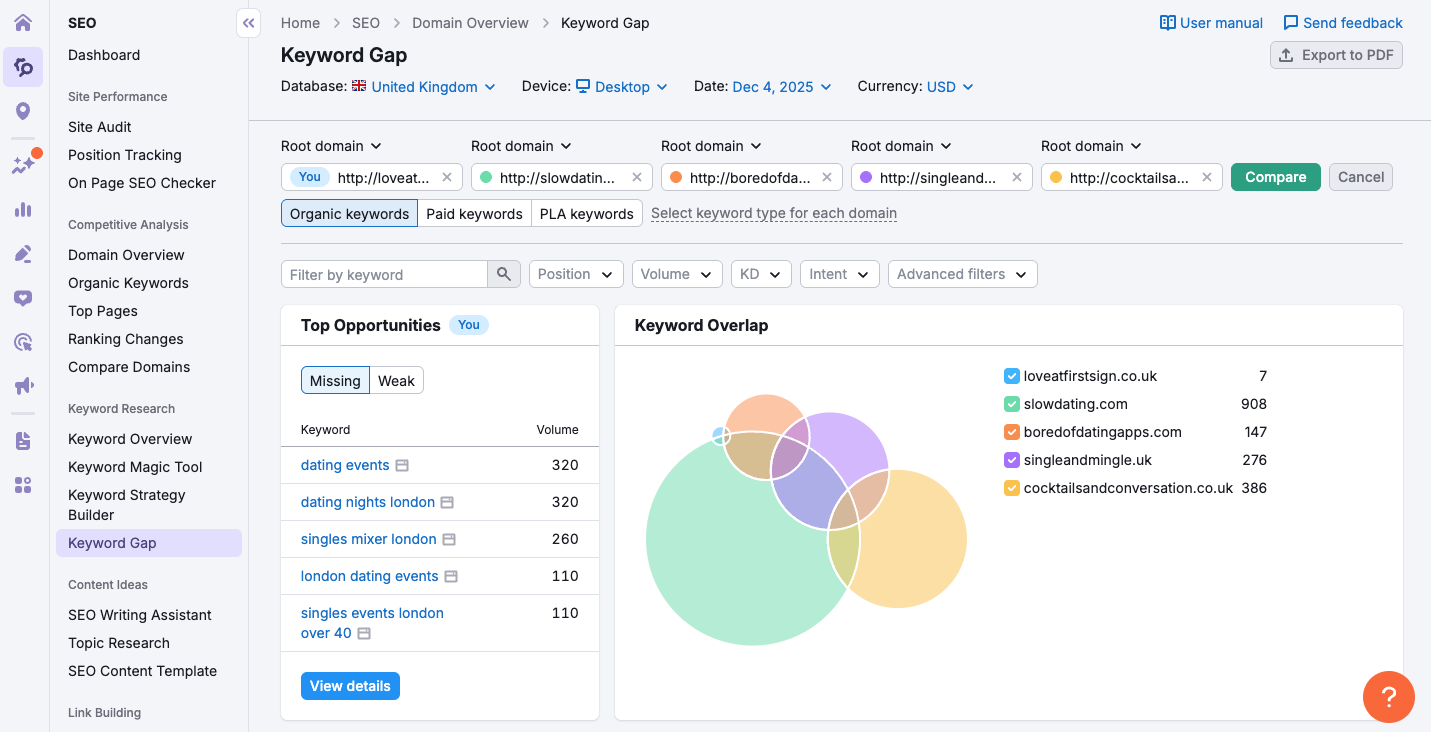
Content Gap Analysis
AI helps identify missing opportunities in your content strategy:
-
Detects topics your competitors rank for that you don’t
-
Highlights underperforming pages needing improvement
-
Suggests new product or category content to capture untapped search queries
By closing content gaps, your Adobe Commerce store can rank for more relevant queries, driving increased traffic.
SEO-Led Personalisation
AI enables content personalisation at the page and user level, ensuring each shopper sees the most relevant products and information:
-
Dynamic content blocks based on user behaviour or demographics
-
Product recommendations tailored to search intent
-
Location-specific or seasonal content automatically displayed
Personalisation increases engagement, repeat visits, and conversion rates while also sending strong behavioural signals to search engines.
Machine Learning Recommendations for Editorial Calendars
AI can forecast content performance and recommend optimised publishing schedules:
-
Suggests which topics will generate the most traffic or conversions
-
Prioritises updates for seasonal trends and high-value pages
-
Helps teams plan content production efficiently to match SEO goals
This ensures your editorial calendar is not only consistent but strategically aligned with search opportunities.
Integrating AI Tools Into Your Adobe Commerce SEO Strategy
AI is transforming ecommerce SEO by automating complex processes, predicting trends, and enhancing user experience. Adobe Commerce merchants can leverage a mix of Adobe’s own AI solutions and third-party tools.
For more information and guidance on the best tools for Adobe Commerce, AI powered and not, visit our article: SEO Tools and Extensions for Adobe Commerce.
Adobe AI Solutions
-
Adobe Sensei - Powers AI-driven insights across content, product discovery, and personalisation. Helps identify high-impact pages and predict SEO opportunities.
-
Adobe Journey Optimiser - Personalises experiences based on customer lifecycle, enhancing engagement and behavioural signals that support SEO.
-
Adobe Experience Platform - Aggregates real-time customer data to deliver relevant content, optimise user journeys, and inform SEO-driven content strategies.
Third-Party AI SEO Tools
-
Clearscope, SurferSEO, MarketMuse, SEMrush - Optimise content using AI-driven keyword research, semantic analysis, and competitive benchmarking.
-
Lumar, Botify, OnCrawl - Automate technical SEO audits, detect crawl errors, monitor indexation, and predict ranking risks.
-
Jasper, Writesonic, Copy.ai - Generate SEO-friendly blogs, product descriptions, and category content at scale.
Headless AI Content Engines
-
Integrate AI-driven content creation into headless commerce architectures to maintain SEO performance across dynamic, API-driven frontends.
-
Generate unique landing pages, product copy, and marketing content automatically, while retaining semantic relevance and structured data compliance.
Semantic Search & Product Discovery
-
Agentic AI for Product Discovery - Improves search results on-site by understanding semantic intent rather than exact keywords.
-
Enhances conversions, engagement metrics, and click depth - which indirectly strengthens SEO.
-
AI-powered search can suggest cross-sells, upsells, and relevant content dynamically.
Implementation Tips
-
Start with core AI solutions (e.g., Adobe Sensei + one third-party SEO tool).
-
Monitor KPIs such as organic traffic, engagement metrics, and product discoverability.
-
Gradually layer additional AI capabilities (semantic search, headless content engines, predictive insights) to scale intelligently.
-
Combine AI insights with human oversight to maintain brand voice, content quality, and alignment with business objectives.
Challenges & Limitations of AI in SEO
While AI offers incredible opportunities for scaling and optimising Adobe Commerce SEO, it is not without limitations. Understanding these challenges ensures businesses use AI effectively and avoid costly mistakes.
Data Accuracy
AI relies on large volumes of accurate data to generate insights. Inaccurate or incomplete product information, incorrect URLs, or outdated analytics can lead to poor recommendations, misaligned keyword targeting, or faulty content suggestions.
Over-Automation Risks
Automating every aspect of SEO can backfire if not managed carefully:
-
AI-generated content without human review can be off-brand or low-quality
-
Over-automated meta tags may appear repetitive or irrelevant
-
Aggressive automation of internal linking or redirects can cause indexing issues
Striking the right balance between AI efficiency and human control is critical.
Need for Human Oversight
AI tools are powerful, but they cannot replace human judgment. Skilled SEO professionals are required to:
-
Review AI-generated content for accuracy and brand tone
-
Validate technical SEO recommendations before implementation
-
Interpret AI insights in the context of business strategy and audience needs
Human oversight ensures that AI amplifies results rather than introducing errors.
Compliance with Google Guidelines
AI-driven SEO must align with search engine policies:
-
Over-optimised or automatically generated content could violate Google’s quality guidelines
-
Improperly implemented schema or automated link-building tactics may trigger penalties
-
Continuous monitoring is needed to ensure AI outputs remain compliant
AI is most effective when combined with ongoing SEO expertise, quality assurance, and ethical optimisation practices.
Case Study Examples
Case Study 1
We used schema markup to help one of our clients gain rich result rankings, as the client has thousands of products, doing this manually was not a good use of time. Using AI we released product schema to all of the products on the website, resulting in a surge in organic traffic.
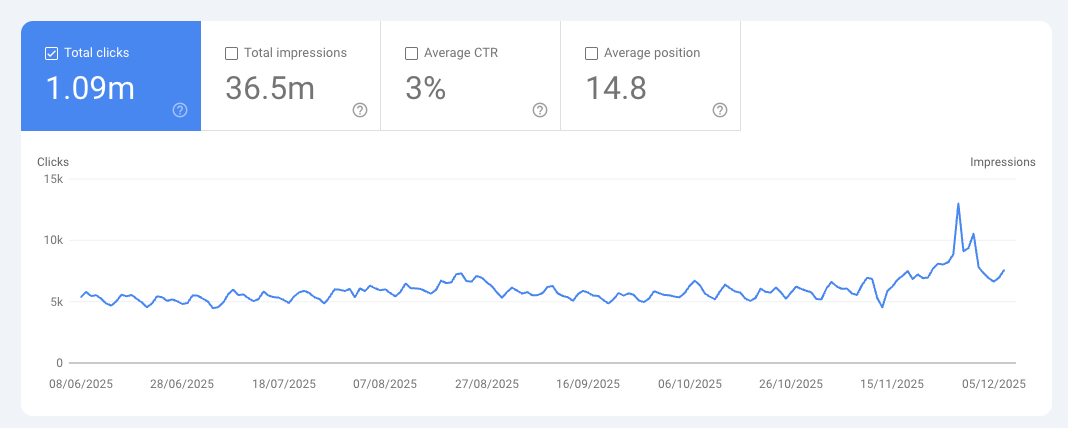
As you can see on the image above, we implemented the schema around mid-November and the traffic shot up. The big peak around the end of November was due to black Friday promotions but it levelled back out to around 7,500 clicks per day on average.
They were previously getting around 5,500 clicks per day on average.
Case Study 2
Another schema implementation using AI was completed for an events company who we work with, the event pages had no schema mark up on so we decided to implement EventSchema to all the event pages on the site, as they are always adding new event dates and locations we had to do this using AI as doing the schema manually was not feasible.
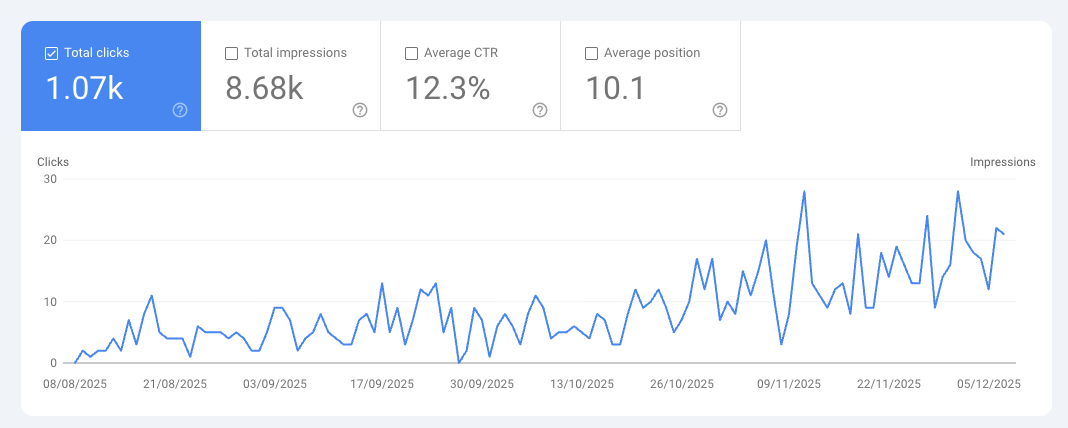
The results aren’t as impressive as the first example, however, the number of direct bookings has increased. With manual work this would have taken hours upon hours to implement, and it would have created more work every time a new event was published. This is now done automatically with the help of AI tools.
How Our Intelligent SEO Services Support Adobe Commerce
Optimising an Adobe Commerce store requires a blend of technical expertise, creative strategy, and the right technology. Our Intelligent SEO services combine AI-driven insights with hands-on optimisation to help your store rank higher, engage shoppers, and convert traffic into revenue.
Technical AI SEO Audits
-
Comprehensive AI-powered audits to identify crawl errors, duplicate content, and indexation issues
-
Predictive recommendations to prevent potential ranking drops
-
Actionable insights for improving Core Web Vitals, site speed, and structured data compliance
AI Content Optimisation
-
Generate SEO-friendly product descriptions, category pages, and blogs at scale
-
Use AI to identify content gaps and recommend high-impact updates
-
Personalise content for users based on behaviour, location, and intent
Full SEO Management
-
End-to-end SEO services including keyword mapping, meta optimisation, internal linking, and backlink strategy
-
Integration of AI insights into daily SEO tasks for greater efficiency and accuracy
-
Reporting dashboards that combine AI analytics with human expertise
Adobe Commerce Automation Setup
-
Implement AI solutions like Adobe Sensei, semantic search, and headless content engines
-
Automate internal linking, schema deployment, and meta tag generation
-
Streamline SEO processes to scale with large product catalogues and multiple stores
Ongoing Monitoring Using Intelligent Systems
-
Continuous tracking of organic performance, crawl health, and technical issues
-
Behavioural and engagement metrics to improve conversion and SEO signals
-
Adaptive recommendations as search algorithms and business priorities evolve
Conclusion
AI is transforming how Adobe Commerce stores approach SEO, offering tools that automate technical audits, optimise content, enhance on-site search, and personalise the shopper experience. By combining AI-driven insights with human expertise, businesses can scale their SEO efforts, improve rankings, and drive measurable growth.
Starting with small, targeted implementations, such as AI-powered content optimisation or predictive technical audits allows stores to see tangible results before expanding to broader automation and intelligence solutions.
Our Intelligent SEO services help Adobe Commerce merchants leverage these AI capabilities effectively, from full-scale audits and AI content workflows to ongoing monitoring and automation.
Investing in intelligent SEO is not just about keeping pace with competitors, it’s about unlocking the full potential of your ecommerce store, delivering better experiences to customers, and maximising organic growth over the long term.
Other Adobe Commerce SEO Guides
For more information about Adobe Commerce SEO, you can view some of the guides listed below:
-
Voice Search and Visual Commerce SEO for Adobe Commerce
-
Site Migration & SEO Risk Management for Adobe Commerce
-
Accessibility & Inclusive SEO for Adobe Commerce
-
Security, Trust & Conversion Signals for Adobe Commerce
-
Ongoing SEO Maintenance & Monitoring for Adobe Commerce
-
Actionable SEO Recommendations For Adobe Commerce Websites